Heading on holiday near, far or overseas?
Check out our Kids Travel Packing List and Camping Packing List
These were compiled by multiples mums in our Multiples Auckland North club.
Authored in 2025 by Natasha Bull


Supporting families of multiples from Auckland's North Shore, North West, Hibiscus Coast and Northland.
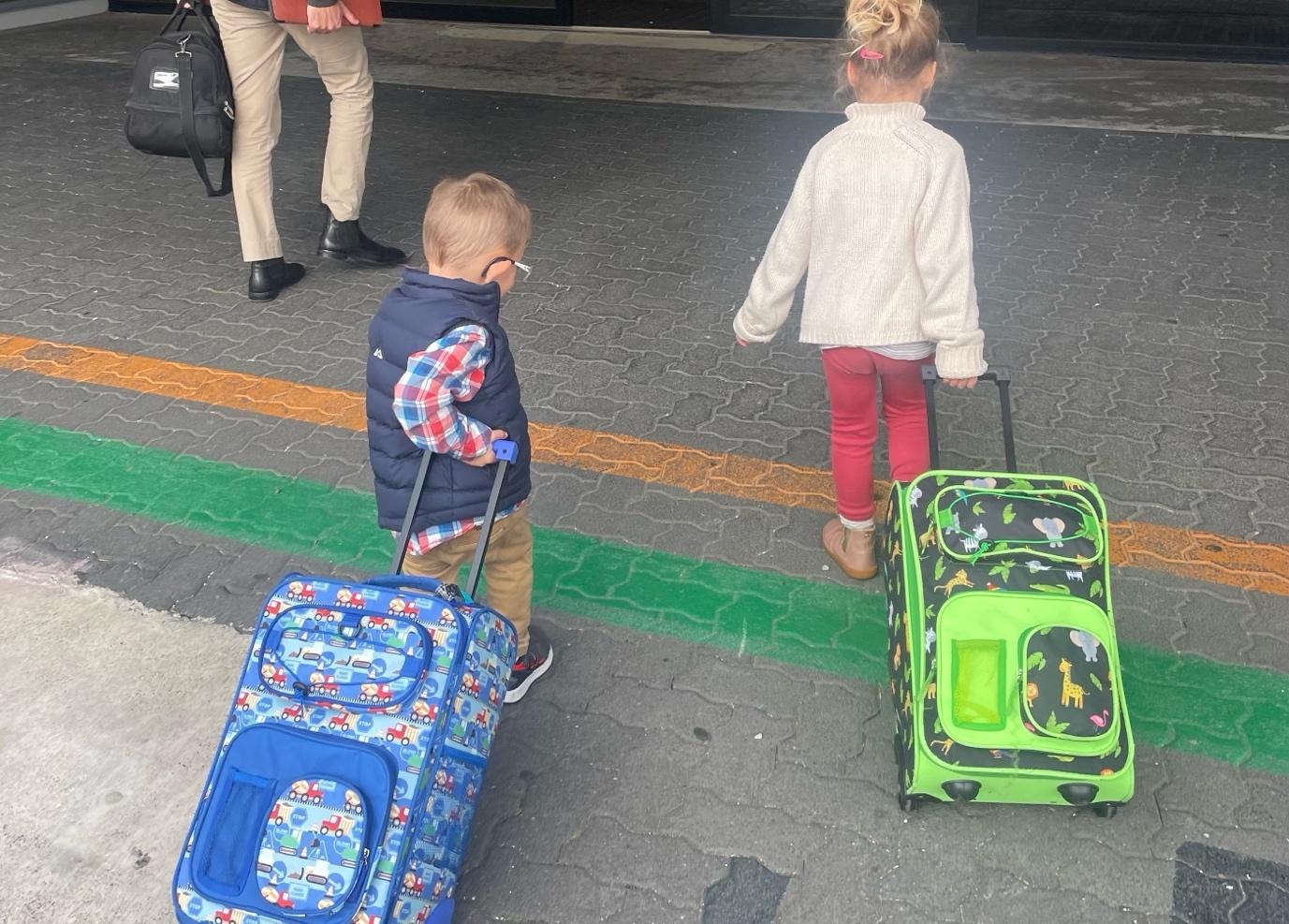
Heading on holiday near, far or overseas?
Check out our Kids Travel Packing List and Camping Packing List
These were compiled by multiples mums in our Multiples Auckland North club.
Authored in 2025 by Natasha Bull
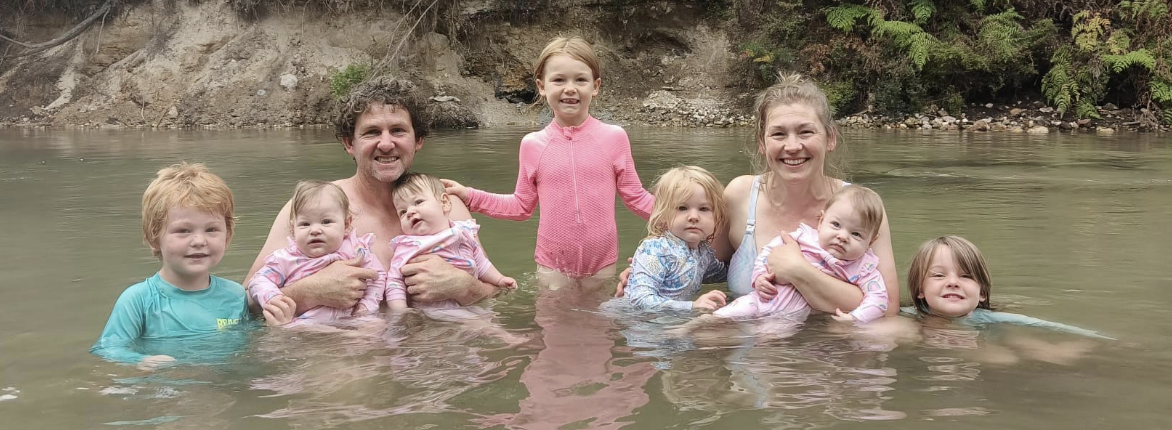
“Really challenging, but amazing at the same time”– that’s how Anna Pyle describes the past year since the birth of her triplets, which swelled their family to seven children– all aged under 8.
Anna and Jeremy Pyle’s plans for a fifth and final child were upended after discovering they were due with a 1 in 200-million chance identical triplets.
10 months in, the pair from Takahiwai in Whangārei, say learning to accept help from others has been crucial, including asking some close friends and family to stay overnight in the early months.
“I typically would never have asked for help, but now I know that if I need help, it’s best to ask and people can always say no… there’s no way we would be coping as we are without the help we’ve had from family and friends,” says Anna.
Dealing with the sleep deprivation that comes with multiple babies has been particularly tough.
“With singleton babies, I’ve never had to rely on Jeremy’s help in the night unless the kids wake. Whereas up until the triplets were about 4 months old, I couldn’t do the feeds on my own throughout the night.”
But she says raising three babies at the same time is getting easier.
“The babies are so much fun hearing them giggle to each other and play next to each other… (and) the kids are so good with the babies and love entertaining and cuddling them.”
The family homeschool and have an au pair who works weekdays, which has helped Anna feel braver about family outings.
“I’m not a homebody, but since having the triplets, I don’t really want to go anywhere!!”
“I had a few bad experiences when they were 3-4 months old, being out with the whole family where babies were really unsettled, especially once we got home for the rest of the day, so that put me off outings for a good while… (but) I am trying to get better at going out.”
She has started doing trips with the older children at least once a week.
“It’s been really good for all of us so the kids are reminded how much I enjoy spending time with them.”
When asked for tips about getting through the first year with multiples, Anna suggests “coffee!” But, she says, decaf is handy in the early days if you don’t want to be wired when you have the opportunity to sleep.
As for the busyness of ‘mum life’, Anna says it’s taken a few children for her to get to a place of being grateful for short bursts of peace and quiet, and OK about being constantly ‘on the go’ while the kids are awake.
“They all want to know how loved and appreciated they are, and that you enjoy spending time with them. So, sometimes it’s hard to feel like you get any downtime! But the time comes, and I think I’ve become a better mum just being grateful when I do have it, rather than expecting to get it each day.”
Anna says she had to get creative about spending time with her other children, like playing games while expressing milk. She also makes sure not to miss their nightly ritual of ‘blessings’ with each child.
“It’s a way to hear how they found the day, and gives a chance for them to share more if they are really excited or upset about something”.
Equally important is spending quality time with your spouse.
“It’s so easy to not give your spouse the best of you, especially when you are both so exhausted. Keep encouraging and building each other up – you’re a team!”
To fellow multiples parents, Anna says it’s normal to grieve or be disappointed if things don’t go quite as you dreamed.
“I really wanted to breastfeed the triplets.. but they had other ideas, so it got to the point I just had to let go of it.
“Each of you may have things that have been emotional challenging – that seems to be part of the incredible journey we are on with multiples!”
Anna says remember to take one day at a time.
“I really relate to the saying that the days are long, but the years are short.”
Read the full Q+A with Anna Pyle here
Authored in June 2025 by Natasha Bull
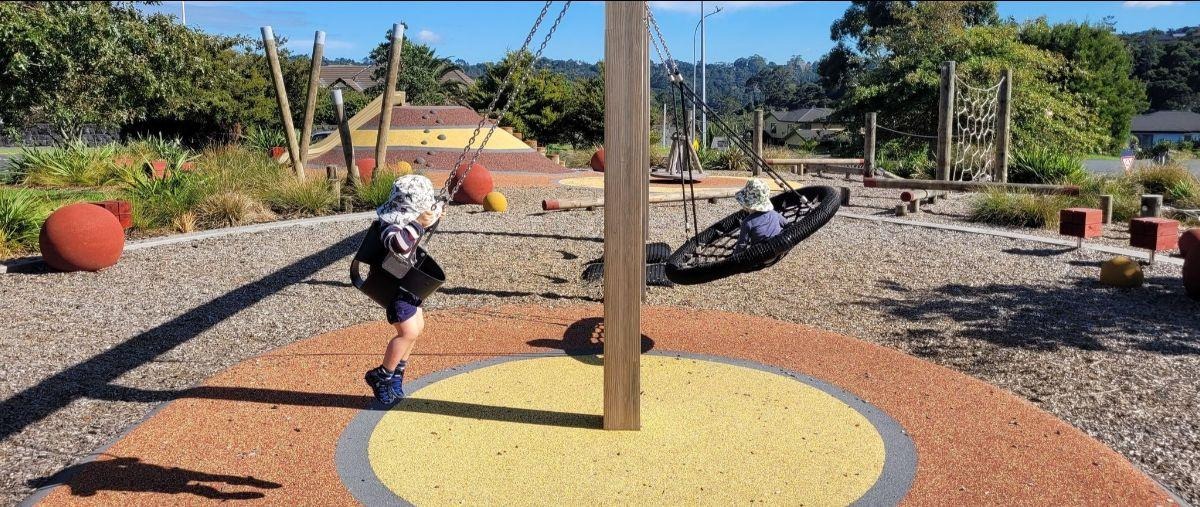
With Easter school holidays creeping up, we’ve updated our list of some of the best Auckland playgrounds.
This document includes handy details, like whether or not the spots are fenced and equipped with loos.

1. Get Moving and Get Outside
Spending time outdoors is a game-changer for mental well-being. Fresh air and movement can help you manage stress and give you a break from the usual routine. When my kids were babies and toddlers, daily walks were a must. Just pushing the double stroller around the neighborhood each morning and afternoon helped me get through those tough late-afternoon hours. Movement doesn’t have to mean hitting the gym—even a simple stroll makes a difference.
2. Connect with Other Parents
Finding people who “get it” makes all the difference. I had two coffee groups, one for my twin antenatal and another one for my singleton, and I had various activities like playgroups, Mainly Music and Wriggle & Rhyme. Having a network of friends who understand the unique joys and challenges of parenting multiples can be a lifeline.
3. Plan for Fun (for You and the Kids!)
Taking care of yourself is essential—even if it’s just a quick shower or five quiet minutes with a coffee. Schedule enjoyable activities for the kids too, like playdates or playgroups, but don’t forget to maintain your own friendships. Try to catch up with friends or family every couple of weeks; it gives you something to look forward to and adds balance to the daily grind.
4. Self-Care Is Key
“You can’t pour from an empty cup” is a saying for a reason. Caring for more than one little one means you’ve got to prioritize your well-being. This could be anything from gentle exercise to quiet downtime in a low-stimulation environment. When my kids were napping, I’d try to rest too, and I found yoga nidra was particularly helpful for a quick recharge. Google/YouTube/Spotify “Yoga Nidra” and there are heaps of free tracks.
5. Use HALTTSS to Check In on Yourself
A great way to make sure you’re doing okay is to use the acronym HALTTSS:
• H for hungry: Have a snack if needed.
• A for angry: Take a breather to reset if you’re feeling frustrated.
• L for lonely: Reach out to a friend or family member for support.
• T for tired: Rest when you can, even if it’s just a quick nap.
• T for thirsty: Rehydrate, especially important if you are breastfeeding
• S for sick or stressed: Tackle these by addressing your needs and seeking support when possible.
Taking care of these basics helps you keep going strong as you navigate the adventure of raising multiples.
6. Keep Your Own Interests Alive
Don’t forget what you love outside of parenting! Whether it’s reading, listening to audiobooks, or enjoying a podcast during a walk or drive, keeping a bit of “you” time in the mix is important for balance.
By Dr Missy Wolfman, Clinical Psychologist – Empowerment Psychology & Empowermums

If you have multiples and another child under the age of 5, or have triplets or more, then you can access home help through Work & Income.
Check out this easy guide to applying for home help, freshly put together by our expert Northland Coordinator Rosie Ponifasio-Hughes.
It includes helpful tips such as: how to fill in timesheets, the quickest way to share documents, and the best time of day to go into a branch.
Twin families are able to access 240 hours total for 1 year from the date of the babies discharge from hospital. Triplets plus qualify for 1560 hours to be used within 24 months.
Published in August 2024
Everyone deserves to feel special on their birthday, but trying to make one day extra special for two little people can be a challenge, particularly as they get older and have different requests and demands.
We’ve scoured the internet and asked some fellow multiples mums what helps to make birthdays fun, simpler and special for each individual child.
Here are a range of ideas:
1. Simplify the cakes
2. Sing Happy Birthday Twice!
3. Consider split activities
4. Parties – one or two?
Authored in May 2024 by Natasha Bull
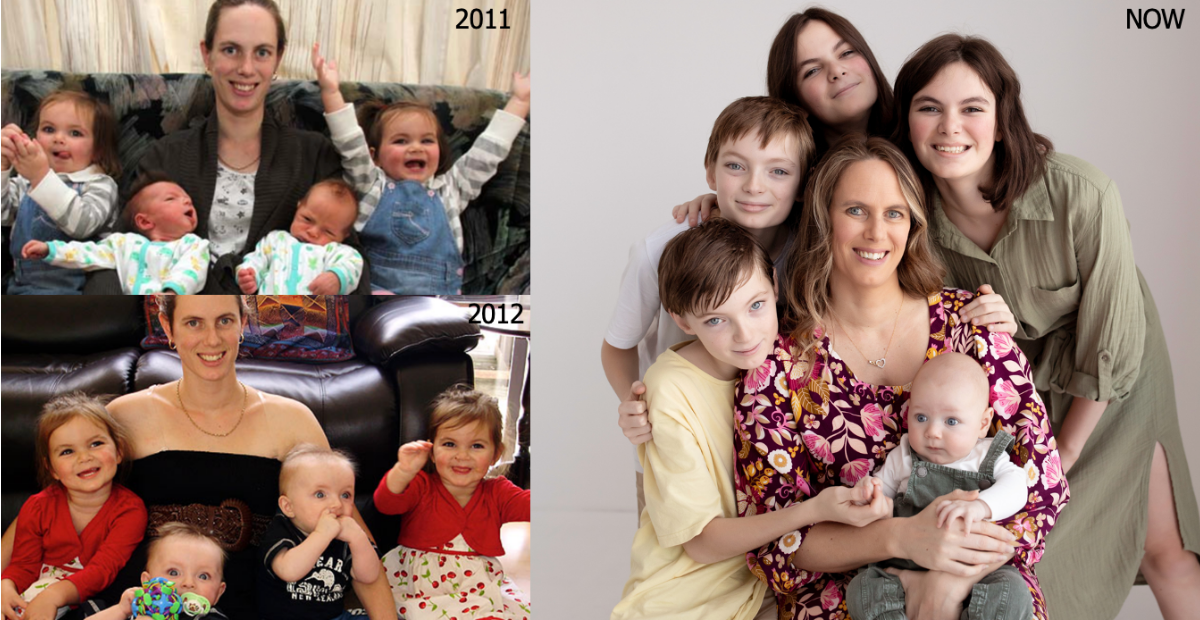
Supermum Dominique Manson has recently rejoined our club, with the arrival of her singleton after two sets of twins!
Dominique’s first set of twins, Danielle and Brooklyn are now nearly 14 years old, and her second set of twins, Vinnie and Eli just turned 12. Little Arian is 6 months old.
Here’s 5 questions with double twin mama Dominque Manson
1. How does having a singleton compare to your two sets of twins (and were you relieved during the scan!)?
When we found out I was pregnant again, we never mentioned it to anyone until the first scan, just to see how many little ones there were. I was relieved and also sad at the same time due to knowing the incredible bond the twins have with each other that our singleton will never experience.
Having a singleton after two twin pregnancies has been rather different in many ways. When I have guests come over for hugs I have to give up bubs – but with twins you can still hold one. It has been a huge adjustment in that regard. The twins had to learn to self-sooth a lot sooner. My singleton doesn’t have another playmate all the time. The twins used to love laughing at each other and playing on the floor with their inbuilt best friend. As time goes on I feel twins are easier compared to a singleton.
2. What key things have you learned about raising twins, now you’ve done it twice over?
I have learned to just go with the flow and that not every child is the same, even if they are twins. Both of my sets are identical, yet they are so different to each other. Their personalities couldn’t be more different and I love that about each one. The first few months of twin life is hard but once they get to an age where they can interact with each other, life becomes so much easier. Ask for as much help as you can and reach out to family and friends. They will love helping out in exchange for baby cuddles.
3. Do you have any advice for those of us going through those busy baby and pre-school years?
Treat each twin like an individual. I know it is hard, but as they grow you will get to know their personalities more and you will be able to cater to their needs. A fed baby is a happy baby, meaning a happy household. Don’t worry if you can’t breastfeed (I found it really hard with the twins and they needed extra help in the form of nipple shield). Trust your gut instinct and do what you feel is right for you and your family.
I found as the twins got older pre-school days were easier, but it did come with its own challenges. Since both sets were ID I found the kindy teachers couldn’t tell them apart, which had a huge impact on their kindy profiles and the twins thinking it was okay for teachers to always ask them who they are. If I could redo that time again, I would make more of an effort to teach the kindy teachers which twin is which so they could have their own identity.
4. How rare is two sets of ID twins?
My two sets of ID twins are 21 months apart. When I first looked, the odds were 1 in 70,000 – unsure if it has changed now. We only found out they were ID when each set turned 4. We thought they were FRAT twins due to being DCDA, but it turns out they were ID.
5. Bonus Q – Is there anything else you’d like to add?
Honestly, just role with the twins needs as they come. As the twins have grown, I have found they have changed so much. The boys loved being in the same class through kindy, Year 1 and Year 2 – but once they hit Year 3 they were never in the same class. They loved being different from each other. In contrast, the girls never liked being in the same group/class even though we tried it when they were in Year 4. We thought ‘never again’ after what their teachers told us, but as they have grown they love being in the same class (they are now Year 9).
Authored in October 2023 by Natasha Bull
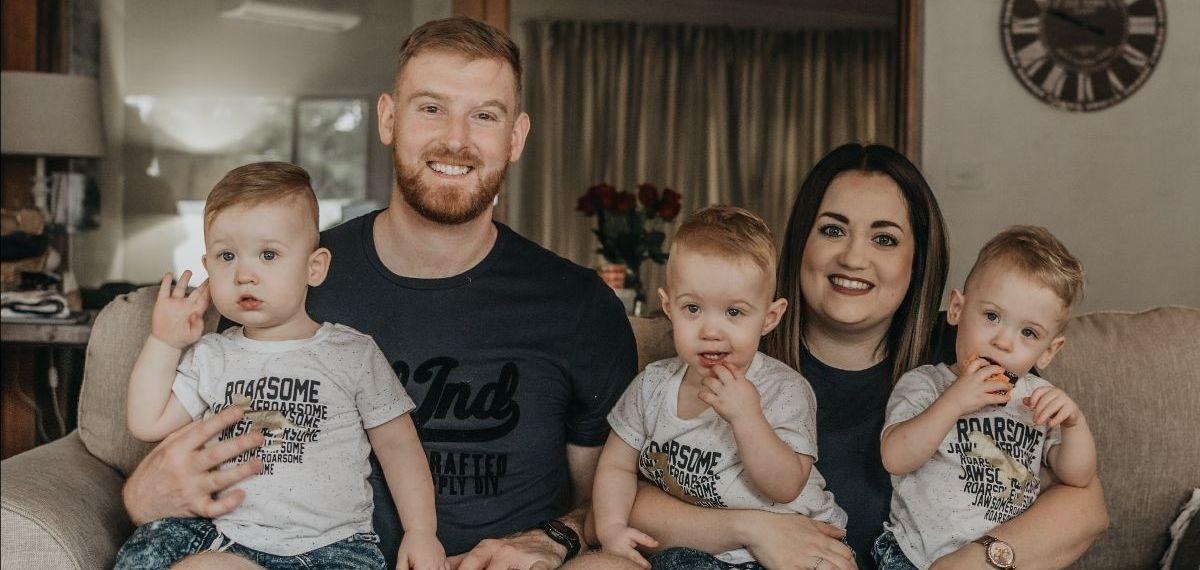
A huge welcome to Natasha and Wayne Burrows who have recently joined our club, with their 2.5 year old triplets Benjamin, Joshua and David.
The triplets were born overseas at 33 weeks weighing 1.8kg, 1.6kg and 1.07kg, respectively.
Here’s 5 questions with triplet super-mum Natasha Burrows:
1. You’ve only recently moved to the area, how are you finding it here?
“Yes, we immigrated to New Zealand in May 2022.. and moved to Milldale in November. The boys were born in Saudi Arabia, and we lived in South Africa for 8 months before coming here, and New Zealand is by far the best equipped to have triplets. We absolutely love it here! There is so much to do with the boys outdoors and most places and people are so accommodating with us having three toddlers. Moving to NZ was the best decision we’ve made.”
2. Life with triplet toddlers, how would you describe this stage?
“Life is BUSY, the good kind of busy! It’s a lot easier now than the first year and a half – I know to many people that sounds crazy. But the amount of work and “neediness” of infants/pre-toddlers is much harder than the busyness of toddlers. We are often late or rushing, lol. We remain the centre of attention wherever we go and the boys absolutely love it!”
3. Do you have any tips or mantras that have helped you get through on those extra busy days?
“Teamwork and Routine. For us routine was our best friend, we stuck with routine from day 1. It helps when the boys know what to expect and what’s happening next it has also made some transitions easier, like moving from cribs to toddler beds. But on those days where time runs away and all 3 boys ‘flip-out’, it’s important to focus on one at a time. Teamwork has made this so much easier. We like to think that my husband and I really make a great team, when situations get out of hand with the boys, we try and focus on the solution only, it doesn’t matter who forgot to pack diapers or water bottles or wet wipes (often me), the details don’t matter. We would just get on with it, get the boys calm and happy. But on those rough days, we still live for nap time, lol. Nap time is where we also get a “time-out” to reset from the crazy morning we just survived.”
4. What’s the best thing about having triplets?
“Life is so much FUN! There’s never a dull moment with these three. They keep us on our toes all the time. It’s just amazing watching them grow and develop, such individual personalities, three completely different kids, yet they are always concerned about each other and asking where the other is, or what about their shoes or juice or toy.”
5. Is there anything else you’d like to share with our multiples club community?
“The hardest part of having triplets is not the amount of work, amount of money, or the fact that we did it alone. It’s knowing everything you’ve been through and dealt with to get those three tiny babies to where they are today, and then have people negatively comment on them or the fact that there’s three. The “rather you than me” comments, or “shame, poor you”. It’s hard not to snap back or on a hard day burst into tears, but I just remind myself, “if you only knew”. We love our boys and we love our life, We wouldn’t have it any other way. Yes, life is busy, hard work and very expensive. But God chose us to parent these three little miracles and we wouldn’t have it any other way!”
Authored in April 2023 by Natasha Bull
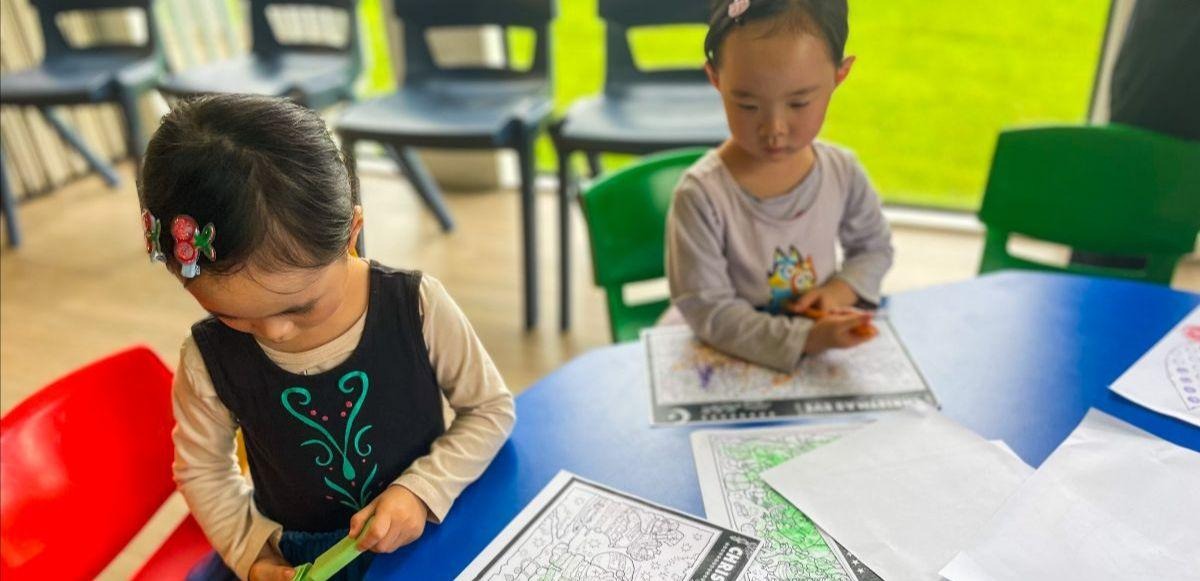
When it comes time for your multiples to head to school, should you keep them together or apart?
According to recent research, parents of children aged 3-6 were more likely to request their multiples be placed together in the classroom. When the multiples were 7 years and older, parents were more likely to ask that they be separated for various reasons, including to help their individuality, one multiple being too dominant, multiples being too competitive or one multiple having special needs.
Most experts seem to agree the decision should be flexible and based on the individual needs of each child.
Check out this handy checklist you can use alongside teachers to prompt discussion about how best to support your children’s learning.
Having been a teacher and a twin mum, Rosie Ponifasio-Hughes feels uniquely positioned to offer some practical thoughts on multiples in the classroom.
THINGS TO PONDER BEFORE THEY START SCHOOL OR A NEW SCHOOL YEAR:
POSITIVES OF KEEPING THEM TOGETHER:
ISSUES TO BE AWARE OF IF KEEPING YOUR MULTIPLES TOGETHER:
POSITIVES OF BEING APART:
ISSUES TO BE AWARE OF IF SEPARATING THEM:
THE MAIN TAKEAWAY OF THIS WHOLE TOPIC:
Authored in February 2023 by Natasha Bull and Rosie Ponifasio-Hughes
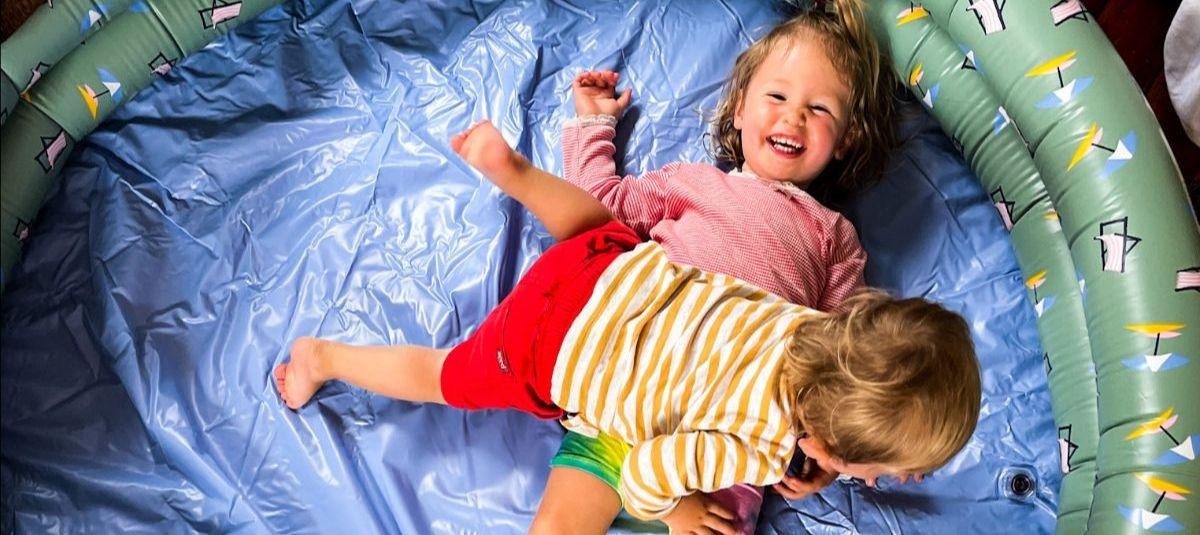
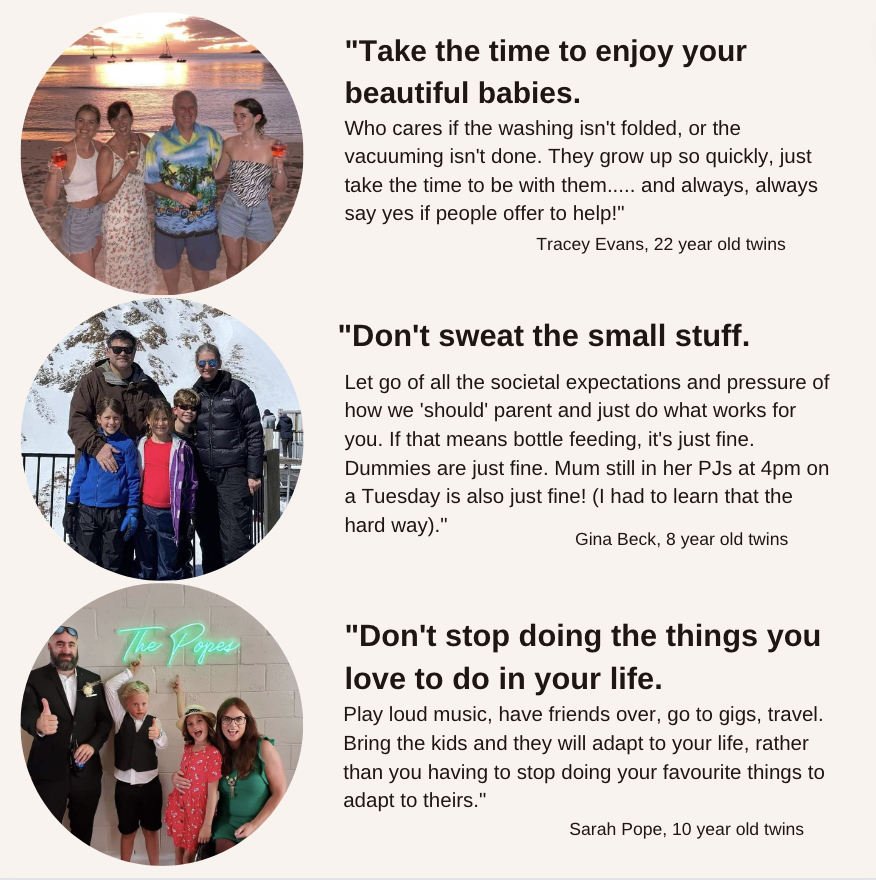
Twins, they’re a ride. When does it get easier? This is a question most of us have pondered at least once on our twin journey!
So what about those twin mums who’ve made it through these early years? How did they handle the challenges and enjoy more of those magic twin moments?
Here’s three top tips from mums of older twins, who’ve ‘been there, done that’.
Authored by Natasha Bull, October 2022